- About WordPress
- Greater Omaha Chamber
- Customize
- 55 updates available
- New
- WP Engine Quick Links
- Edit Page
- Edit with Elementor
- SEO12noindex is on!
- Notes


When we talk about safety in construction, we all know the conversation well. Fall protection, PPE, equipment safety, hazard awareness, confined spaces, respiratory protection, the list goes on.
We spend a lot of time identifying the things that can physically hurt someone on the job site, and for good reason! But there is another safety issue affecting our industry that’s nearly impossible to see: mental health.
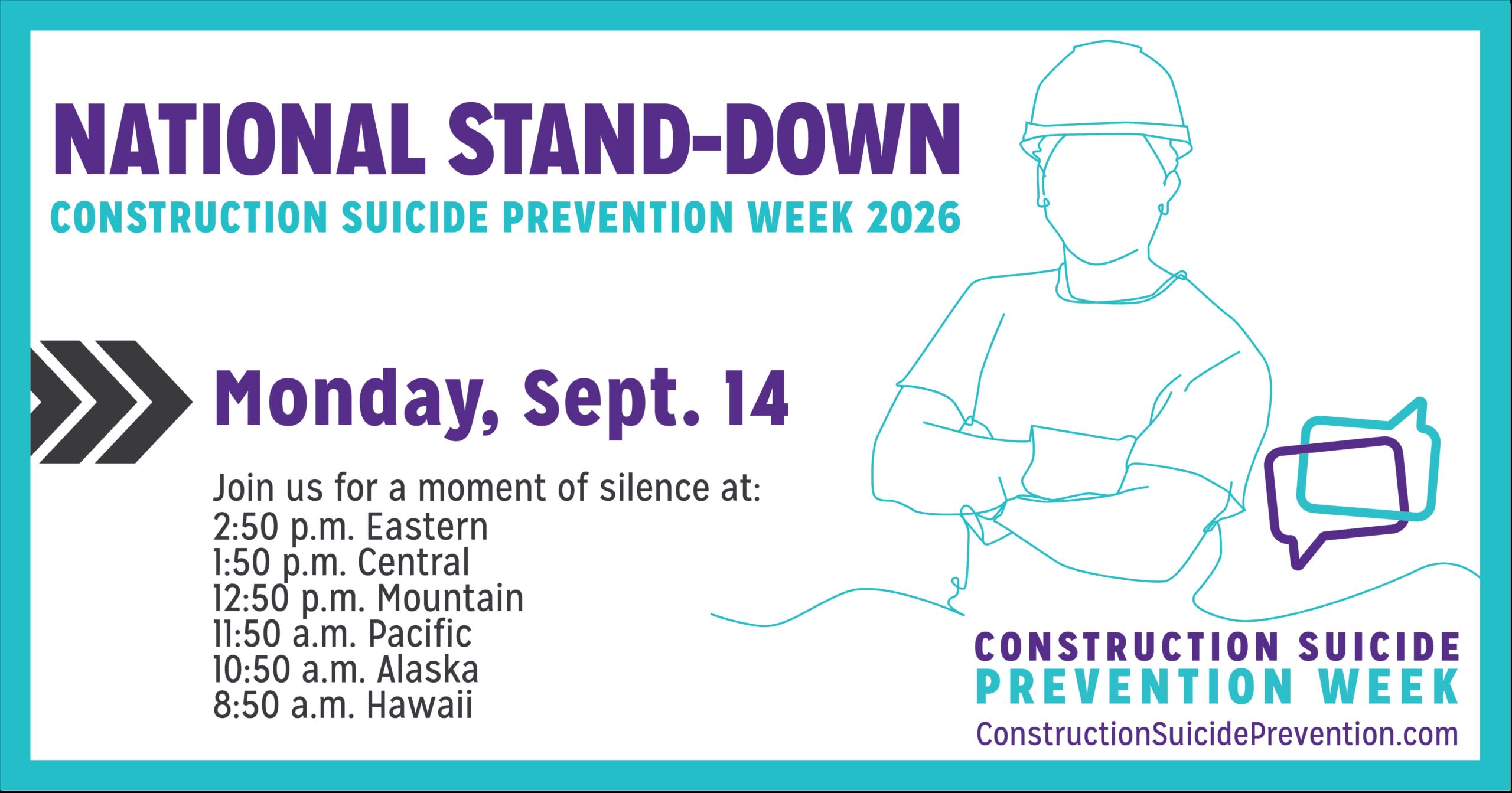
September is Suicide Prevention Month, and with Construction Suicide Prevention Week taking place September 14-18 this year, it’s an important opportunity for our industry to talk about something that hasn’t always been easy to talk about.
Construction has one of the highest suicide rates of any industry in the United States. According to data highlighted by CPWR, more than 5,000 construction workers died by suicide in 2022, more than five times the number who died from workplace injuries that year.
Think about that for a second.
We have built an entire industry around identifying hazards, preventing injuries and sending people home safely at the end of the day. Yet some of the greatest risks our people face aren’t necessarily the ones we can see.
The reasons behind suicide are complex, and there is never one single cause. But there are realities within construction that can contribute to stress and mental health challenges: long days, demanding schedules, time away from family, physical pain, production pressure, and a culture that hasn’t always made it easy to admit when you’re struggling.
The data shows those challenges are growing. Between 2018 and 2024, reported anxiety among construction workers increased from 12.6% to 18.4%. During that same period, the percentage of workers who said they needed mental healthcare but couldn’t afford it nearly tripled.
That’s why mental health belongs in the safety conversation among all other common safety topics.
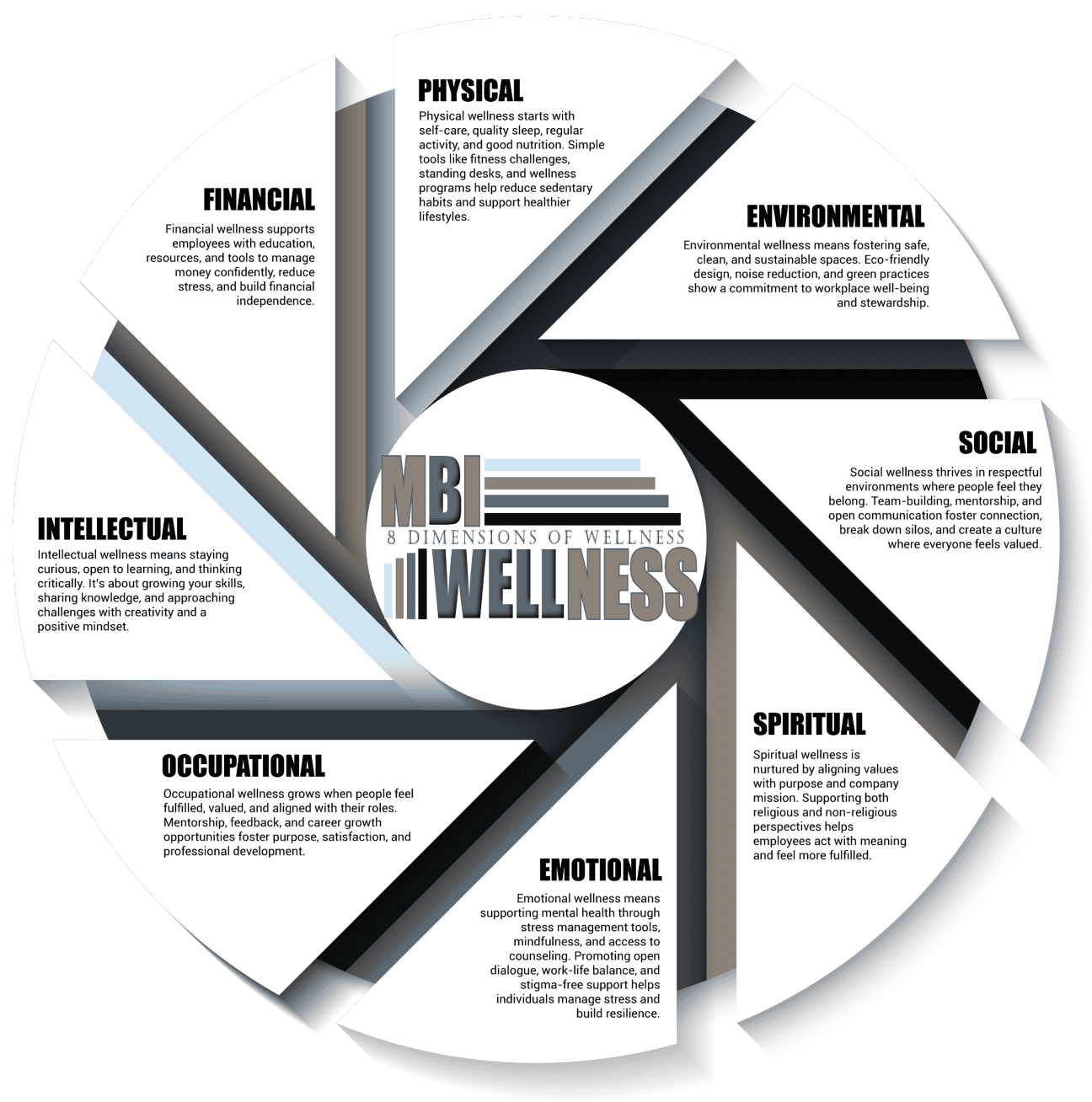
One resource we appreciate from Master Builders of Iowa’s Dimensions of Wellness is a reminder that well-being isn’t just one thing. MBI Identifies eight dimensions of wellness: physical, emotional, social, spiritual, occupational, intellectual, financial, and environmental.
Those areas don’t exist independently of one another.
Financial stress can follow someone to work. Physical pain can affect emotional health. Feeling disconnected from coworkers can affect social wellness. A stressful work environment can spill over into life at home. And on the other side of that equation, feeling supported at work, having strong relationships, taking care of your physical health and knowing where to turn when something isn’t right can make a huge difference.
Mental health doesn’t begin or end when someone clocks in and out.
Construction workers are used to watching out for one another. You see someone working near an unprotected edge? You say something. Someone forgets a piece of PPE? You say something. Something doesn’t look right with a piece of equipment? You don’t ignore it.
What if we approached our coworkers’ well-being with that same mentality?
A recent Construction Dive article about mental health in construction highlighted an interesting point from CPWR: construction workers may be more comfortable helping a coworker than asking for help themselves. That gives all of us somewhere to start.
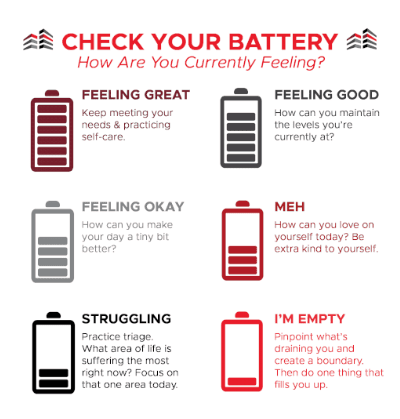
Being the helper doesn’t mean becoming someone’s therapist or knowing exactly what to say. Sometimes, it starts with simply noticing when someone doesn’t seem like themselves and checking in. MBI’s “Check Your Battery” is a simple way to put that into perspective: we all have days when our battery feels full, days when we’re somewhere in the middle, and days when we’re running on empty. Pay attention to the people around you. Ask how they’re doing and actually listen to the answer. Check in again tomorrow. Know what resources are available. And if someone tells you they’re struggling, take them seriously.
One of the biggest barriers our industry faces is stigma.
In his TEDx talk, Discussing Mental Health and Suicide in Construction, construction industry leader Vince Hafeli shares his own experience with suicidal thoughts and challenges the way our industry thinks about mental health. One of the ideas at the center of his message is simple: mental health and mental illness aren’t the same thing.
We all have mental health, just like we all have physical health. Sometimes we’re doing well. Sometimes we’re not. Sometimes we can work through something ourselves, and sometimes we need another person to help us through it.
Talking about that shouldn’t be viewed as weakness. In construction especially, toughness is valued. There is plenty of value in resilience, grit and being able to work through difficult situations. But being tough doesn’t have to mean being silent. Real resilience includes knowing when something isn’t right and being willing to do something about it.
Mental wellness isn’t only about what happens when someone reaches a crisis point. There’s work we can do long before that.
A recent episode of The Ryan Leak Podcast, “Thank God It’s Monday” poses a question worth considering: Do people dread Monday because of the work, or because of the environment?
It’s an interesting question for any workplace.
We spend a significant portion of our lives at work. The people around us, the way we’re treated, whether we feel valued, whether we have opportunities to grow and whether we feel comfortable speaking up all contribute to that experience. Ryan Leak’s challenge is to think beyond a culture built around simply surviving until Friday and instead create workplaces people actually want to return to on Monday.
That doesn’t mean every day will be easy. Construction is demanding work. It means creating an environment where people know they matter beyond the work they produce.
If you or someone you know is struggling, you don’t have to wait until the situation becomes an emergency to reach out.
The 988 Suicide & Crisis Lifeline is available 24 hours a day. Call or text 988 to connect with trained crisis support. The service is free and confidential.
You can also explore these resources:
Media Contact : Cam Ostwinkle
Related Links : https://www.jctoland.com/
Source : https://www.jctoland.com/blog/beyond-the-hard-hat-suicide-prevention-month/

